


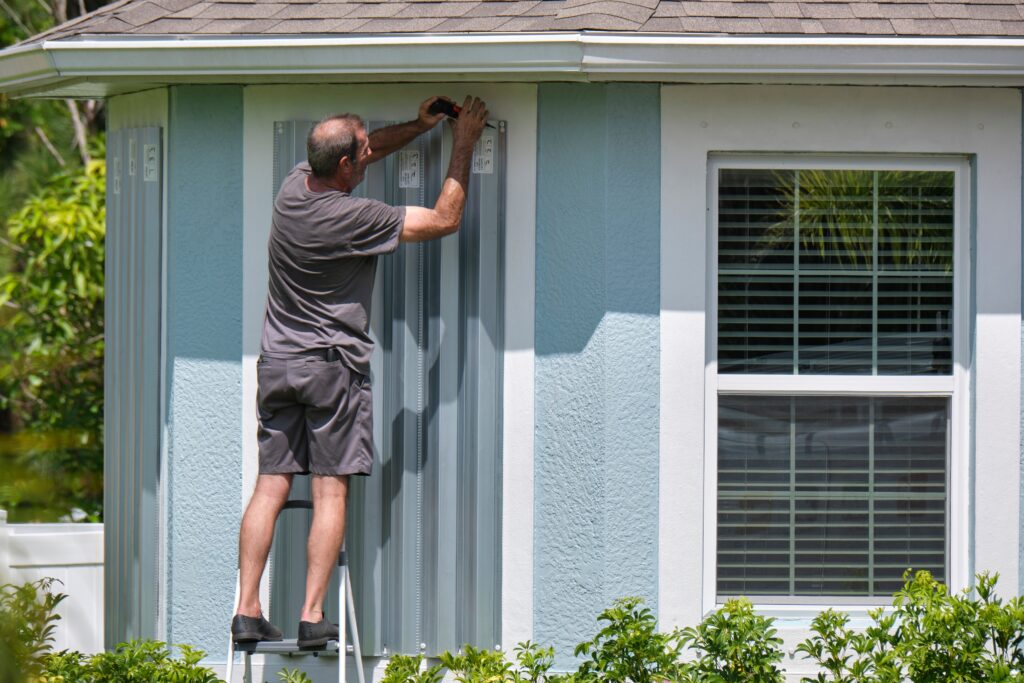
This homeowner’s guide keeps it simple and practical. We’ll walk through a clear storm preparedness checklist you can actually follow: how to prepare your home for severe storms, harden the outside against wind and water, protect the people inside, plan for power and water interruptions, and speed recovery afterward.
You’ll find tips for home storm protection, hurricane preparation, tornado preparedness, and flood preparation—no scare tactics, just a step-by-step plan to keep your household safer and more comfortable when the weather gets wild.
Quick-Start Checklist
Create a Household Emergency Plan
Pick two meeting points (one nearby, one out of the neighborhood), choose an out-of-area contact everyone can text, and write down meds/allergies, pet needs, and any mobility considerations.
Stock a 3–7 Day Kit
Water (1 gallon per person per day), shelf-stable/no-cook food, prescriptions/OTC meds, baby and pet supplies, hygiene items, cash (small bills), copies of IDs/insurance, and a manual can opener.
Backup Power & Lights
Flashlights/headlamps (one per person), extra batteries, charged battery banks, and a car charger. If you use a generator, run it outdoors 20+ ft from doors/windows and install carbon-monoxide (CO) alarms.
Insurance Review & Home Inventory
Take photos/videos of each room (open closets/drawers), note serial numbers, and back everything up to the cloud. Review policy limits and deductibles; consider separate flood insurance (often has a waiting period).
Sign Up for Alerts
Get a NOAA weather radio, enable Wireless Emergency Alerts on your phone, subscribe to local text/app alerts, and follow your city, utility, and emergency management on social.
Harden the Exterior
Roof & Gutters
- Inspect shingles/tiles, flashing, and ridge vents; re-fasten or replace anything loose or missing.
- Clean gutters/downspouts so they run clear.
- Extend downspout leaders 6–10 ft away from your foundation with extenders or splash blocks.
Windows, Doors & Garage Door
- Install storm shutters or pre-cut, labeled plywood (5/8″ exterior grade).
- Reinforce door strikes/hinges with 3″ screws into framing, add door sweeps, and weatherstrip.
- Brace or upgrade the garage door—it’s the largest opening and a common failure point in high wind.
Siding, Vents & Soffits
- Re-secure loose siding panels and seal gaps at trim.
- Add mesh/baffles to attic and soffit vents to reduce wind-driven rain without blocking ventilation.
Yard & Exterior Hazards
- Trim dead or overhanging limbs; repair/secure fencing.
- Stow or anchor grills, umbrellas, furniture, planters, toys, and playsets.
- Label gas/water/electric shutoffs and show household members how to use them.
- Mark storm drains and keep them clear of leaves and mulch
Prepare for Flooding
Foundation & Drainage
- Ensure the soil slopes away from the house (about 6″ drop over the first 10 feet).
- Test your sump pump (pour in water until it kicks on) and add a battery or water-powered backup with a working check valve.
- Install sewer backflow valves to prevent backups.
- Elevate utilities (furnace, water heater, washer/dryer) on platforms; add a drain pan where appropriate.
- Stage sandbags or water-filled barriers at low entries and protect window wells with covers and gravel drains.
Basement & First-Floor Protections
- Move valuables and chemicals off the floor; use clear, latching plastic bins with labels.
- Install smart leak sensors in risk spots (sump, water heater, laundry, under sinks) and consider an automatic main water shutoff.
Utilities & Critical Systems
Power
- Choose a portable or standby generator sized for essentials; use a transfer switch for safety.
- Place generators outdoors only, downwind, and away from openings.
- Add a whole-home surge protector and UPS units for your modem/router and critical medical devices.
Water, HVAC & Appliances
- Store potable water and fill tubs (use a clean tub liner if you have one).
- Service HVAC, replace filters, and protect outdoor condensers with manufacturer-approved guards.
- Know how to safely shut off gas, water, and electricity—label the panels/valves.
Inside the Home
Safe Room / Shelter Area
- Pick an interior, windowless room on the lowest level (closet, hallway, bathroom).
- For tornado risk, stage helmets and a mattress for impact protection.
- Keep a first-aid kit, headlamps, whistle, copies of IDs/prescriptions, and sturdy shoes there.
Food, Medicine & Special Needs
- Stock no-cook pantry items (nut butters, protein bars, canned goods), plus a manual can opener.
- Maintain a 30-day medication list and backups for critical devices (e.g., CPAP battery).
- Prepare pet carriers, food, and vaccination records; baby formula and diapers as needed.
72-Hour Timeline
72–48 Hours Before
- Top off vehicle fuel, charge power banks, and withdraw small cash.
- Check on neighbors who may need help (seniors, people with disabilities).
- Confirm your evacuation or shelter plan.
24–12 Hours Before
- Bring outdoor items inside; set fridge/freezer to the coldest setting and make ice packs.
- Close shutters/plywood, test the sump, and park vehicles away from trees/low spots.
- Turn on weather alerts and keep devices charging.
During the Storm
- Shelter away from windows and monitor NOAA radio/app updates.
- If flooding threatens, turn off electricity at the main only if you can do so safely—move up, not out.
After the Storm
- Watch for downed lines, gas smells, and structural damage—when in doubt, stay out.
- Document everything with photos/video before cleanup.
- Dry wet materials within 24–48 hours to prevent mold (fans, dehumidifiers, ventilation).
- Start your insurance claim and keep all repair receipts and contractor paperwork.
Insurance & Documentation for Homeowners
- Understand what homeowners covers vs. what flood insurance covers (standard policies typically exclude flooding).
- Know your wind/hail or named-storm deductibles—they may differ from your standard deductible.
- Maintain a room-by-room home inventory with photos, model/serial numbers, and cloud backups.
- Vet contractors: verify licenses/insurance, pull permits, insist on a written scope and timeline, and be wary of door-to-door “storm chasers” demanding big upfront payments.
Budget Planner for Upgrades
- Good: Caulk/weatherstrip, gutter cleanout, basic emergency kit, window/door sweeps.
- Better: Garage-door brace, storm shutters/plywood, sump with battery backup, sewer backflow valve.
- Best: Impact-rated windows/doors, metal or strapped roof system, whole-home generator, flood vents and elevated equipment.
Regional Tips
- Hurricane coasts: Shutters or impact glazing, elevated mechanicals, wind-rated garage doors, secure soffits.
- Tornado Alley: Safe room or FEMA-rated shelter, roof tie-downs/hurricane clips, quick-access helmets.
- Wildfire wind events: Ember-resistant vents, Class A roof, 5-foot noncombustible zone around the home.
- Winter storms: Pipe insulation and heat tape, attic air-sealing, ice dam prevention (ventilation + insulation).
Tools & Supplies List
Work gloves, N95 masks, safety glasses; headlamps/flashlights + batteries; duct tape; plastic sheeting/tarps; basic hand tools; ladder; fire extinguisher; fuel stabilizer; chainsaw PPE (if you use one); moisture meter; heavy-duty extension cords; zip ties; marker/labels.
Common Mistakes to Avoid
- Running generators in garages/porches or near openings; using grills indoors.
- Taping windows (it doesn’t help and can make shards worse).
- Waiting to buy supplies until a watch/warning is issued.
- Skipping pre-damage photos and a home inventory.
FAQs
What belongs in a storm emergency kit?
Water (1 gal/person/day), shelf-stable food, first-aid kit, meds, hygiene items, flashlights, batteries, battery banks, radio, cash, copies of IDs/insurance, pet/baby supplies, and a manual can opener.
How do I protect windows without shutters?
Pre-cut and label 5/8″ exterior-grade plywood with proper anchors; add interior protection (curtains/blinds) only as a secondary measure. Don’t use tape.
Is a portable generator enough for my home?
It can cover essentials (fridge, lights, modem, medical devices) if properly sized and connected via a transfer switch. For whole-house coverage and automatic operation, consider a standby generator.
How much water should I store per person?
At least 1 gallon per person per day for 3–7 days—more in hot climates or for medical needs; don’t forget pets.
What’s the difference between a watch and a warning?
A watch means conditions are favorable—be ready. A warning means it’s happening or imminent—take action now.
How fast can mold start after flooding?
Within 24–48 hours. Remove wet materials, run fans/dehumidifiers, and ventilate as soon as it’s safe.
