


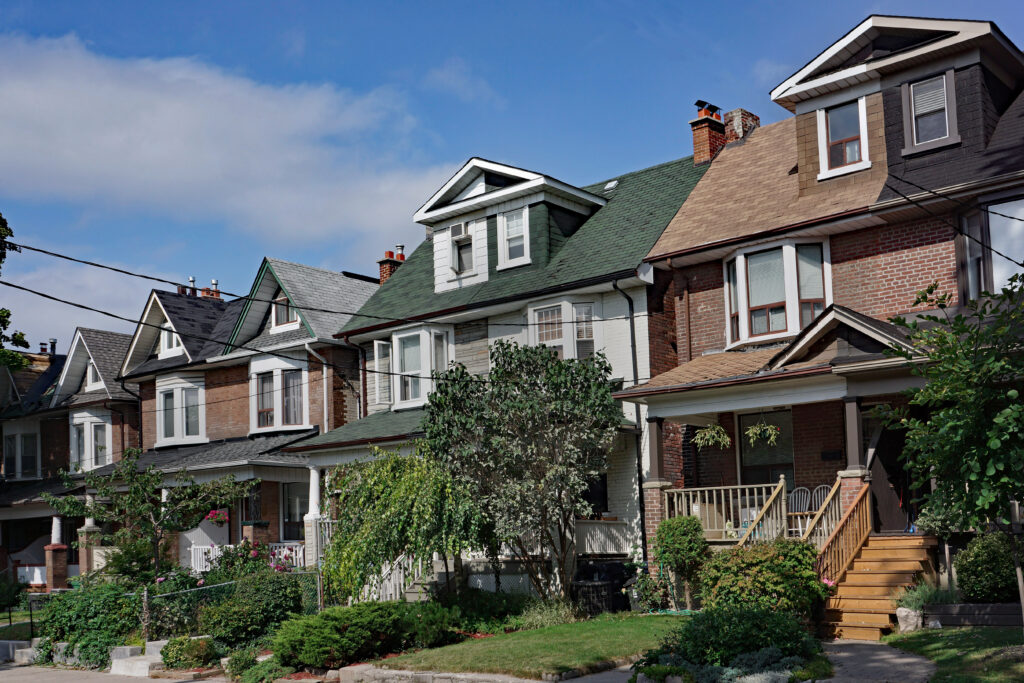
There’s something special about older homes—the unique architecture, the cozy details, and the character you just don’t find in newer builds. But along with all that charm often come a few headaches. From squeaky floors and drafty windows to outdated wiring and plumbing, common issues in older homes can creep up over time. Some are just quirks that add to the personality, while others can impact safety, comfort, or your energy bills if left unchecked.
Most old house problems have straightforward fixes once you know what to look for. With the right approach to older home maintenance, you can preserve the history and style you love while making your home safer and more efficient.
In this guide, we’ll break down some of the most common issues in older homes, why they happen, and practical ways to fix them.
Why Older Homes Develop Problems
Owning an older home comes with plenty of perks, but it’s no secret that age takes its toll. Materials that were once considered top-notch—like plaster walls, knob-and-tube wiring, or galvanized plumbing—don’t always stand up to modern demands. Add decades of use, and it’s no surprise that old house issues start to pop up.
Climate also plays a big role. If you live in a humid area, moisture can work its way into wood, creating rot or mold. In colder regions, years of freezing and thawing can cause cracks in foundations and masonry. Even sunlight takes its toll, fading paint and wearing down shingles.
Neglect is another factor. If maintenance was skipped here and there over the years, little problems can grow into bigger ones. And finally, building codes change over time. What was “up to code” in the 1950s or 1970s may not meet today’s safety standards.
The key to maintaining older homes is understanding these challenges before they turn into expensive surprises. With the right upkeep and timely repairs, you can keep your home in great shape while still enjoying all its vintage charm.
Structural Issues in Older Homes
When it comes to old house issues, the “bones” of the home are often the first place problems show up. Over time, foundations shift, roofs wear down, and what was once rock-solid can start to cause everyday headaches.
Foundation Cracks and Settling
If you’ve ever noticed your floors sloping a little, doors that don’t quite latch, or cracks creeping along your walls, your foundation may be to blame. Settling is a natural process as soil shifts over decades, but larger cracks or uneven floors can point to more serious problems. While small hairline cracks might only need sealing, bigger issues often require more advanced solutions like underpinning or reinforcement. In many cases, bringing in a structural engineer for an inspection is the smartest move—you’ll get peace of mind and a plan for how to keep your home stable for the long haul.
Actual costs depend on your location, project scope, and materials. The best way to know what you'll pay is to get quotes from local contractors.
Get Your Free Estimate →Roof Damage and Leaks
Your roof is your home’s first line of defense against the elements, and older homes usually come with older roofing materials. Missing or curling shingles, damaged flashing around chimneys, or even sagging spots in the roof deck are all red flags. Sometimes, a quick patch or shingle replacement is enough to stop a leak.
But if your roof is well past its prime, a full replacement may be the more cost-effective choice in the long run. Upgrading your roof not only protects against leaks—it also boosts curb appeal and can improve your home’s energy efficiency.
Outdated Plumbing and Electrical Systems
Another set of common issues in older homes comes from the plumbing and electrical systems. These are the “hidden” parts of the house that you don’t always see, but when they go bad, you definitely notice.
"We matched with a great contractor the same day. The whole process was easy and completely free."
Old Plumbing Pipes (Lead, Galvanized, Cast Iron)
Back in the day, builders used materials like lead, galvanized steel, and cast iron for plumbing. While they worked fine at the time, they don’t hold up well over the long run. Lead pipes, for example, pose serious health risks if particles leach into your drinking water. Galvanized pipes are notorious for corroding and clogging, leaving you with low water pressure (and rusty-looking water). Cast iron pipes may last longer, but eventually, they crack or rust through.
If your home still has these types of pipes, it’s worth looking into repiping with copper or modern PEX tubing. Even if a full replacement isn’t in the budget right away, adding a water filtration system can help protect your family from contaminants until you’re ready for the bigger fix.
Unsafe Electrical Wiring (Knob-and-Tube, Aluminum)
Old wiring is another major concern in older homes. Knob-and-tube wiring, common in homes built before the 1950s, wasn’t designed to handle today’s electrical loads—think microwaves, AC units, and dozens of gadgets plugged in at once. Aluminum wiring, popular in the ’60s and ’70s, is also risky because it expands and contracts with heat, which can loosen connections and create a fire hazard.
Rewiring your home with modern copper wiring and upgrading your breaker panel to handle current power demands. Adding ground fault circuit interrupters (GFCIs) in kitchens, bathrooms, and outdoor outlets is also a must for safety. While rewiring isn’t a cheap project, it’s one of those upgrades that gives you peace of mind and protects both your home and everyone in it.
Moisture, Mold, and Insulation Problems
One thing almost every older home has in common? They’re not exactly energy efficient. Combine thin insulation with decades of wear and tear, and you’ve got drafts, damp basements, and maybe even mold creeping in where you least expect it.
Poor Insulation and Drafts
Back when many older homes were built, energy costs were low and insulation standards weren’t what they are today. That’s why so many old houses are drafty—heat sneaks out through the attic, walls, and windows, leaving you with high energy bills and cold spots in winter. You might notice chilly air near old windows or an upstairs that’s roasting hot in the summer while the downstairs stays cool.
The good news is there are plenty of modern fixes. Spray foam or blown-in insulation can make a huge difference without tearing your house apart. Replacing old single-pane windows with energy-efficient ones also helps seal up those drafts. Even simple upgrades like weatherstripping or storm windows can stretch your heating and cooling dollars further.
Why Hire a Licensed Professional
- Licensed & insured — protects you from liability
- Warranty coverage — manufacturers require pro installation
- Code compliance — avoids permit issues
- Faster completion — pros finish in days, not weeks
Moisture and Mold Issues
Moisture is another big culprit in older homes. Basements and crawl spaces are notorious for dampness, while bathrooms without proper ventilation are a breeding ground for mold and mildew. Left unchecked, moisture doesn’t just smell musty—it can damage wood, drywall, and even your home’s structural integrity.
Fixes range from small upgrades to bigger projects. A good bathroom exhaust fan or dehumidifier can go a long way toward reducing moisture indoors. If you’ve got a damp basement, a sump pump or proper drainage system may be the answer. And if mold has already moved in, it’s best to bring in professionals for safe mold remediation. Taking care of moisture problems early helps protect your health and keeps your home standing strong.
Safety and Code Compliance Concerns
While some old house quirks are more annoying than dangerous, others can pose serious health and safety risks. Many older homes were built with materials or practices that wouldn’t pass today’s standards. Knowing what to watch for—and how to fix it—can help keep your home safe for the long run.
DIY vs. Professional: At a Glance
Lead Paint and Asbestos
Two of the biggest concerns in older homes are lead paint and asbestos. Lead paint, commonly used before 1978, can be harmful if it starts chipping or turns into dust, especially for kids and pets. Asbestos was used in everything from insulation to floor tiles, and while it’s fine if left undisturbed, it can cause major health problems if fibers get into the air.
The safest approach here is to leave removal to the pros. Certified contractors know how to test, contain, and safely remove these materials without putting you or your family at risk. If full removal isn’t possible, encapsulation is another option.
Outdated Building Codes
Building codes are always evolving to improve safety, which means many older homes simply don’t measure up. Maybe your staircase doesn’t have a proper handrail, your outlets aren’t grounded, or your smoke detectors are in the wrong spots. Even things like ceiling height, egress windows, or fire-blocking materials may be below today’s standards.
The good news is, most of these issues can be updated gradually. If you’re already renovating, it’s smart to bring things up to code at the same time—whether that means adding GFCI outlets in wet areas, installing proper railings, or upgrading fire safety systems. These updates not only make your home safer but can also boost resale value when it’s time to sell.
Spring and summer are the busiest seasons for home improvement projects — top-rated contractors book up fast. Lock in your estimate now before demand peaks.
Check Availability in Your Area →Cosmetic but Costly Issues
Not every old house issue is dangerous, but that doesn’t mean it’s cheap to fix. Some problems are more about comfort, efficiency, and aesthetics.
Old Windows and Doors
Original windows and doors can give an older home so much character, but they also tend to be drafty, worn down, or even a little unsafe. Wood frames may rot over time, glass panes might rattle on windy days, and locks may not be as secure as modern options. All of this adds up to energy loss, higher utility bills, and potential security concerns.
The big question for many homeowners is whether to restore or replace. Restoration can be a great option if you love the historic look and the frames are still in decent shape. With some repairs, weatherstripping, and new hardware, they can work almost like new. But if the wood is rotting or the drafts are beyond repair, replacement with energy-efficient windows and doors may be the smarter investment long-term.
Ready to Move Forward?
Tell us about your project and get matched with up to 3 pre-screened contractors. Compare quotes, check reviews, and hire with confidence.
Flooring and Wall Problems
Floors and walls are another area where older homes start to show their age. Creaky floorboards are often just part of the charm, but they can also signal loose joists or subfloor issues. Walls might have cracked plaster, peeling paint, or stains from past water damage. These aren’t always structural problems, but they definitely impact how fresh (or dated) your home feels.
The fixes depend on how much work you’re ready to tackle. Refinishing original hardwood floors can bring them back to life and add tons of character. For walls, sometimes a little patching and a fresh coat of paint does the trick, while in other cases, swapping plaster for drywall might be the best move. Either way, these updates can dramatically improve both the look and livability of your home.
Preventive Maintenance for Older Homes
One of the best ways to avoid major headaches with an older house is to stay on top of maintenance. Small problems can turn into big (and expensive) ones if they’re ignored, so a proactive approach is key when it comes to maintaining older homes.
Start with regular inspections. Take a walk around your house a few times a year to check the roof, foundation, plumbing, and electrical systems. Look for things like missing shingles, new cracks in the walls, leaky pipes, or outlets that don’t work properly.
It’s also smart to budget specifically for repairs. Even with good upkeep, older houses need more attention than newer builds, so setting aside a “home maintenance fund” can save you from financial stress when something unexpected comes up.
Finally, when the job is too big for DIY, bring in contractors who have experience with older homes. These pros understand the quirks of vintage materials and outdated systems, and they’ll know the best way to repair or replace them without causing new problems.
When to Call a Professional
Owning an older home often means rolling up your sleeves for a little DIY here and there—but it’s just as important to know when to hand things over to the pros. Some projects are perfectly manageable for a handy homeowner, like sealing small foundation cracks, repainting walls, or adding weatherstripping around drafty windows. These fixes can save money and give you a sense of accomplishment.
But other jobs are best left to experts. Anything involving electrical wiring, major plumbing work, or structural repairs should be handled by licensed professionals. Not only can mistakes in these areas be dangerous, but they can also end up costing you more if you have to redo the work later. The same goes for dealing with hazardous materials like asbestos or lead paint—this is not a DIY weekend project.
Final Thoughts
Owning an older home can feel like a constant balancing act—holding on to the charm and character you love while staying on top of the issues that come with age. From foundation cracks to outdated wiring, drafty windows to moisture problems, old houses have their fair share of challenges. But with proactive maintenance, most of these problems are manageable (and often preventable).
Think of every repair not as a burden, but as an investment in your home’s safety, comfort, and long-term value. The more attention you give to small fixes now, the less likely you’ll be hit with big surprises later. And if you’re unsure about the state of your home, a professional home inspection or consultation with a licensed contractor can give you peace of mind and a clear roadmap for repairs.
Ready to take the next step? Schedule a home inspection or connect with a contractor who specializes in older homes to keep your investment in top shape.
FAQs
What is the most common problem in old houses?
It depends on the age and upkeep of the home, but foundation cracks, outdated plumbing, and drafty windows are among the most frequent old house issues homeowners run into.
How do I know if my old home needs rewiring?
Signs include flickering lights, frequently tripped breakers, warm or buzzing outlets, or old knob-and-tube or aluminum wiring. If you notice any of these, call in a licensed electrician for an inspection.
Can I live in my home during mold or asbestos removal?
It’s usually best not to. Professionals may seal off the affected area, but in many cases you’ll need to leave temporarily for safety, especially with asbestos abatement.
Are older homes more expensive to maintain?
They can be, especially if major systems haven’t been updated in decades. But regular maintenance and timely repairs go a long way toward keeping costs manageable—and preserving the character that makes older homes so appealing.
