


*Updated July 8th, 2025
Static pressure is a crucial aspect of your HVAC system‘s performance. Measured in inches of water column (in.WC), it represents the force exerted by air pressing outward from the walls of your ductwork.
Think of it as the air’s static (non-moving) pressure within the duct system. Understanding static pressure is important for homeowners because it significantly impacts airflow throughout the ducts. Balanced static pressure ensures comfortable temperatures in every room by delivering conditioned air efficiently.
Table of Contents
- Static Pressure in HVAC Systems Defined
- How to Prevent High Static Pressure
- How to Fix High Static Pressure
- Why Static Pressure Is Important
- Common Signals of High Static Pressure
Static Pressure in HVAC Systems Defined
In the context of HVAC systems, static pressure refers to the air pressure difference between the supply ducts, where conditioned air is pushed out, and the return ducts, where air is drawn back in.
Static pressure plays a vital role in maintaining optimal performance and efficiency in your heating and cooling system:
- Airflow throughout the system: Balanced static pressure ensures consistent airflow through the supply ducts and return vents. This is essential for delivering conditioned air to all rooms at the desired temperature.
- System efficiency and lifespan: Improper static pressure can put strain on your HVAC equipment. High or low static pressure can make the blower work harder, reducing efficiency and potentially shortening the lifespan of your HVAC system.
Ideal Static Pressure
In a perfect world, zero static pressure would represent no resistance to airflow—allowing air to travel freely through your ductwork. However, real-world HVAC systems always have some air resistance.
Static pressure is the resistance air encounters as it moves through your air ducts—caused by friction, bends, filters, and obstructions. Maintaining low static pressure (ideally around 0.5 in.WC or less) keeps your HVAC system running efficiently.
Factors affecting your ideal static pressure include:
- System design: Size and layout of your ductwork, and the type of HVAC unit.
- Airflow needs: Larger homes may require slightly more pressure to ensure even air distribution.
Static pressure readings can be interpreted as follows:
- Ideal: ~0.5 in.WC – balanced airflow, low resistance.
- Acceptable: Up to 0.9 in.WC – may indicate minor inefficiencies.
- High static pressure: Above 0.9 in.WC – likely airflow or duct issues.
Actual costs depend on your location, project scope, and materials. The best way to know what you'll pay is to get quotes from local contractors.
Get Your Free Estimate →Measuring Static Pressure
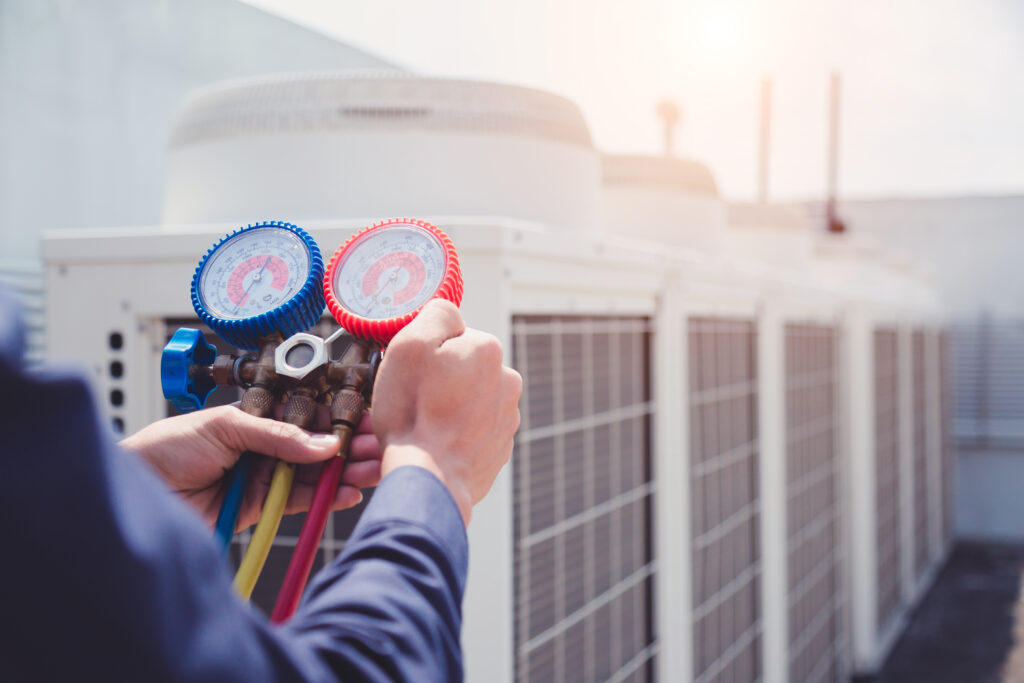
Static pressure is measured using a tool called a manometer. A qualified HVAC technician inserts the device into your ductwork through small access points:
- A static pressure reading shows the pressure difference inside your HVAC system.
- Multiple measurements across the duct system help identify pressure issues.
This process helps detect issues with static pressure such as clogs, leaks, or incorrect duct sizing.
"We matched with a great contractor the same day. The whole process was easy and completely free."
Common Causes of Static Pressure Problems
Improper static pressure in HVAC systems is often caused by:
- Undersized or blocked return air vents
- Dirty air filters or indoor coils
- Leaks or sharp bends in the ductwork
- Improperly sized or installed ducts
Each of these restricts airflow, increasing resistance to airflow and forcing your blower motor to work harder.
How to Prevent High Static Pressure
Preventive steps include:
Ensuring Proper Duct Design
Properly sized ductwork with minimal bends reduces air resistance and helps keep static pressure within the ideal range.
Regular HVAC Maintenance
- Change your air filters regularly
- Have a professional inspect indoor coils and return air paths
- Seal leaks and check for correct duct sizing
Routine HVAC maintenance prevents many static pressure problems.
Avoid Excessive Bends
Minimizing sharp bends in the duct system helps maintain consistent airflow and reduces static pressure affect.
How to Fix High Static Pressure
If your static pressure is too high, here’s how to address it:
Duct Inspection & Testing
A professional can use a pressure sensor to locate restrictions and determine how to increase the static pressure or reduce it appropriately.
Ductwork Modifications
- Seal leaks in the ductwork
- Re-size or add air ducts as needed
- Add a return air duct if airflow is restricted
Airflow Balancing
Using dampers, technicians adjust airflow so each room gets the right amount of conditioned air. This also helps prevent hot and cold spots.
HVAC Component Upgrades
- Variable-speed blower motor: Adjusts speed for ideal airflow and reduces strain
- High-efficiency air filters: Improves air quality without adding too much static
Why Hire a Licensed Professional
- Licensed & insured — protects you from liability
- Warranty coverage — manufacturers require pro installation
- Code compliance — avoids permit issues
- Faster completion — pros finish in days, not weeks
Why Static Pressure Matters
Impacts HVAC Performance
Incorrect static pressure causes your HVAC system to work harder, which:
- Raises energy bills
- Wears out parts faster
Can Damage HVAC Equipment
High levels of static pressure strain the blower motor, coils, and other parts of your air conditioning system, leading to premature failure.
Common Signs of High Static Pressure
- Uneven heating or cooling in rooms
- Excessive noise from the system
- Difficulty maintaining comfortable temperatures
These are often caused by static pressure issues within the ductwork.
DIY vs. Professional: At a Glance
Conclusion
Whether your static pressure is too high or too low, it affects how efficiently your HVAC system operates. Poor airflow and pressure in your HVAC system lead to comfort issues, higher bills, and reduced system life.
To ensure your system has the right amount of static pressure, schedule regular HVAC maintenance and consult a qualified HVAC contractor if you notice symptoms of pressure in HVAC systems. Properly managing static pressure in HVAC systems protects your investment and ensures reliable heating and cooling year-round.
Spring and summer are the busiest seasons for home improvement projects — top-rated contractors book up fast. Lock in your estimate now before demand peaks.
Check Availability in Your Area →FAQs
Can HVAC static pressure be too low?
Yes, static pressure can also be too low. This can be an indicator of leaks in the ductwork, where conditioned air escapes before reaching its intended rooms. Low static pressure can lead to comfort issues and reduced efficiency.
Ready to Move Forward?
Tell us about your project and get matched with up to 3 pre-screened contractors. Compare quotes, check reviews, and hire with confidence.
How do I check static pressure?
Checking static pressure requires specialized equipment and involves measuring the pressure difference between supply and return ducts. This process should be done by a qualified HVAC technician to ensure accurate readings and avoid any safety risks. If you suspect issues with static pressure in your HVAC system, it’s best to consult a professional for diagnosis and corrective measures.
