


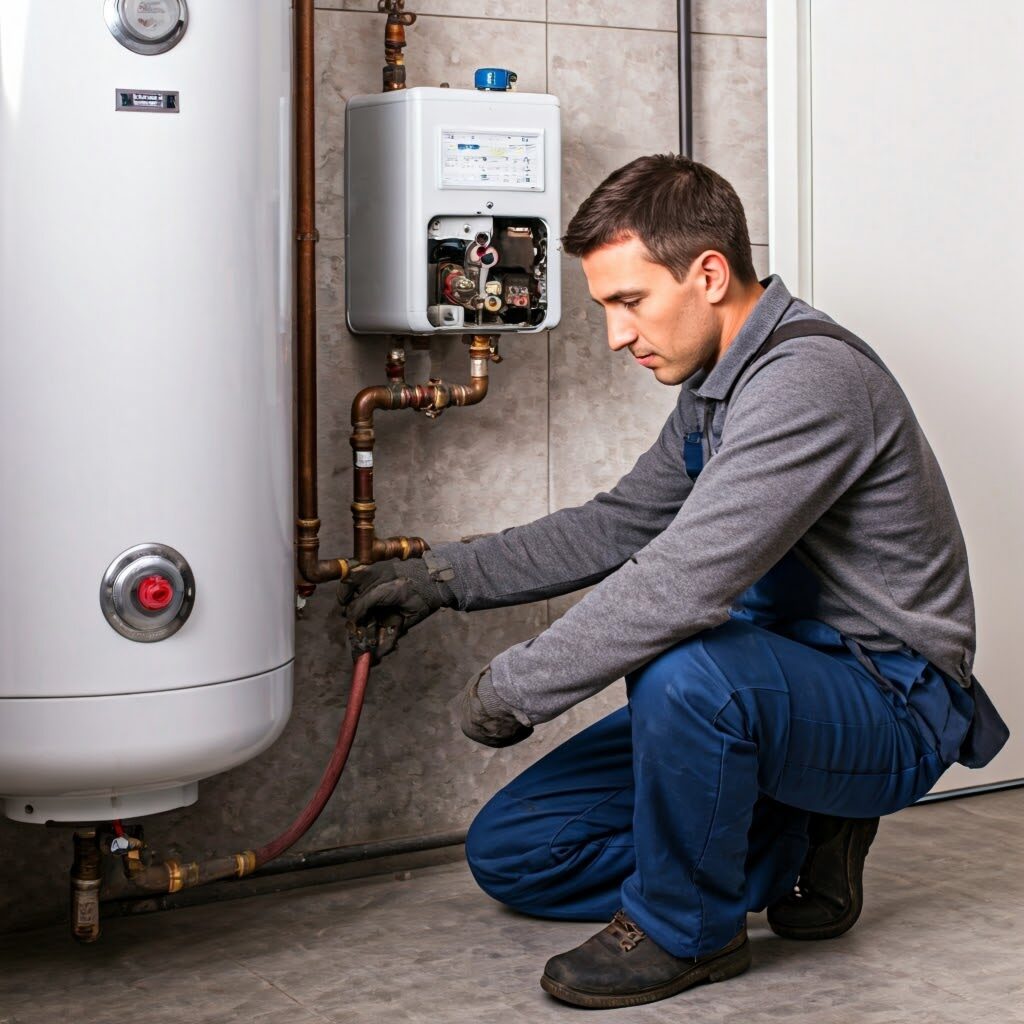
Hot water is one of those things we tend to take for granted—until it suddenly disappears. Whether you’re halfway through a shower or trying to wash dishes, a broken water heater can throw off your whole day.
If you’re wondering why your water heater isn’t working, you’re in the right place. In this guide, we’ll walk through the most common reasons your water heater might be acting up, share a few quick fixes you can try yourself, and help you figure out when it’s time to call in a professional.
Let’s get your hot water back up and running.
Table of Contents
No Hot Water at All
If you’re getting nothing but cold water, don’t panic—this is a pretty common issue and often one of the easier ones to troubleshoot.
Possible Causes:
- Pilot Light Is Out (Gas Water Heaters):
For gas water heaters, the pilot light is what ignites the burner. If it goes out, the heater can’t do its job. This can happen due to a draft, a dirty thermocouple, or just normal wear and tear. - Tripped Circuit Breaker (Electric Water Heaters):
Electric water heaters rely on a dedicated circuit. If the breaker trips, the unit stops working altogether. - Faulty Heating Element or Thermostat:
Over time, the heating elements or thermostats inside an electric heater can burn out or fail, leaving you with a tank full of cold water.
Troubleshooting Tips:
- Check the Pilot Light or Breaker:
If you have a gas model, take a peek at the pilot light. If it’s out, try relighting it according to the manufacturer’s instructions. For electric models, head to your breaker box and see if the water heater circuit has been tripped and flip it back on if needed. - Test or Reset the Components:
Many water heaters have a reset button. Press it to see if that restores power. If not, the heating element or thermostat might need testing or replacement. Just make sure to cut the power to the unit before opening anything up.
If these quick checks don’t solve the problem, it might be time to call a professional. A licensed plumber or electrician can safely test internal components and recommend the best fix.
Not Enough Hot Water
Is your hot water running out halfway through a shower—or worse, before it even starts? This is another super common issue for homeowners, and luckily, there are a few clear reasons why it might be happening.
Possible Causes:
- Undersized Tank for Household Needs:
If your family has grown or your daily water usage has increased, your water heater might just be too small to keep up. A 30- or 40-gallon tank might not cut it for a busy household with multiple people using hot water around the same time. - Sediment Buildup in the Tank:
Over time, minerals from your water settle at the bottom of the tank. That sediment layer reduces the tank’s capacity and forces the water heater to work harder, making it less efficient and leaving you with less hot water. - Malfunctioning Thermostat:
If the thermostat isn’t reading the water temperature correctly or isn’t set high enough, your water might not be heating to the proper level. Sometimes it’s just a simple adjustment. Other times, the thermostat may need replacing.
Actual costs depend on your location, project scope, and materials. The best way to know what you'll pay is to get quotes from local contractors.
Get Your Free Estimate →Fixes:
- Flush the Tank:
Draining and flushing your water heater at least once a year can help clear out sediment and improve performance. It’s a relatively easy DIY task if you’re comfortable turning off the water and power supply, or you can call a pro to handle it. - Adjust or Replace the Thermostat:
Check the thermostat setting—it’s usually safe and efficient to keep it around 120°F. If the setting is correct but the water still isn’t hot enough, the thermostat might need to be replaced. - Consider Upgrading the Tank:
If your tank is just too small for your household needs, it may be time for an upgrade. Bigger families or homes with high hot water demand may want to consider a 50+ gallon tank or even switch to a tankless water heater for on-demand hot water without running out.
Running low on hot water all the time isn’t something you have to live with—most of the time, it’s fixable with a little maintenance or an upgrade.
Water Is Too Hot
Burning your hands when you turn on the tap? Or maybe your shower goes from warm and relaxing to scalding in seconds? If your water is too hot, it’s not just uncomfortable—it can be downright dangerous, especially for kids and older adults.
Possible Causes:
- Thermostat Set Too High:
Sometimes, it’s as simple as the thermostat being cranked up too much. Water heaters are often set to 140°F by default, but that’s hotter than most people need. Not only does it waste energy, but it also increases the risk of burns. - Malfunctioning Thermostat or Control Valve:
If you’ve already lowered the thermostat and your water is still boiling hot, the thermostat itself might be broken. On gas models, the control valve—which regulates the flow of gas to the burner—could also be malfunctioning and overheating the water.
What to Do:
- Lower the Temperature Setting:
Start with the easy fix: check your water heater’s thermostat. For electric models, you’ll likely find it behind a small access panel. For gas models, it might be a dial on the front. Set the temperature to 120°F, which is hot enough for daily use but much safer. - Inspect and Replace Faulty Controls:
If adjusting the temperature doesn’t help, it could be time to replace the thermostat or control valve. These parts wear out over time, and when they do, they can cause the water heater to overheat. If you’re handy, you can replace them yourself, but if you’re not comfortable with electrical or gas components, this is definitely a job for a licensed pro.
Water that’s too hot might seem like a “better than no hot water” problem, but it can lead to scalding injuries and higher energy bills—so it’s worth fixing sooner rather than later.
"We matched with a great contractor the same day. The whole process was easy and completely free."
Strange Noises Coming from the Water Heater
Hearing weird sounds like popping, cracking, or even rumbling coming from your water heater? This is usually a sign that your water heater just needs attention.
Possible Causes:
- Sediment Buildup Causing Popping/Cracking Sounds:
Over time, minerals from hard water settle at the bottom of your tank and create a crusty layer of sediment. When your water heater kicks on, water gets trapped under that layer and turns to steam. The result? Popping and crackling noises as the steam bubbles try to escape. - Expanding and Contracting of Internal Parts:
It’s also normal for the metal components inside the tank to expand and contract with heat. This can cause occasional creaking or knocking sounds—kind of like your house settling—but if it’s happening often or getting louder, it’s worth a closer look.
Solutions:
- Flush the Tank:
One of the easiest and most effective fixes is to flush your water heater. Draining the tank helps remove sediment buildup, which can improve efficiency and stop the noise. Ideally, this should be done once a year—more often if you live in an area with hard water. - Install a Water Softener:
If sediment is a recurring problem, your water might be high in minerals. A water softener system can help reduce the amount of calcium and magnesium in your water, keeping your tank cleaner and quieter over time.
Noises from your water heater might seem harmless at first, but they’re often a sign that your system is working harder than it needs to—and that can lead to bigger issues down the road. A simple flush or softener setup can go a long way in extending the life of your unit and saving you from unexpected repairs.
Leaking Water Heater
Noticed a puddle around your water heater? A leaking unit is definitely something you don’t want to ignore. Even a small drip can turn into a big problem if left unchecked—and in some cases, it can be a sign your water heater is on its last leg.
Potential Issues:
- Loose Connections:
Sometimes, it’s as simple as a fitting or pipe being a little too loose. Over time, vibrations from the unit heating and cooling can loosen connections, especially around the inlet and outlet pipes at the top of the tank. - Faulty T&P (Temperature and Pressure) Relief Valve:
The T&P valve is a critical safety feature that releases pressure if the water heater gets too hot. If this valve is stuck, faulty, or improperly installed, it can leak water either constantly or intermittently. - Corroded Tank:
Unfortunately, if the leak is coming from the tank itself—especially near the bottom—it usually means the tank has rusted through. Once corrosion sets in, there’s no patching it up. In this case, a full replacement is likely your only option.
What to Check:
- Inspect All Fittings and Valves:
Take a close look at the connections around your water heater. Look for signs of dripping, rust, or moisture around the pipes, valves, and the T&P discharge tube. - Tighten or Replace Faulty Parts:
If you find a loose fitting, try tightening it gently with a wrench. For leaking valves, you may be able to replace them yourself—just be sure to shut off the power and water first. If the leak persists or you’re unsure about the source, call in a pro to diagnose the issue.
Leaks might seem small, but they can lead to water damage, mold, or even a full-blown tank failure. Catching the problem early could mean the difference between a minor fix and a major replacement. So if you spot water where it shouldn’t be, don’t wait—get it checked out.
Discolored or Smelly Water
Turning on the tap and being greeted with rusty-looking water or a funky, rotten-egg smell? Yeah—not exactly ideal. Discolored or smelly water could be a sign that your water heater needs some attention.
Why Hire a Licensed Professional
- Licensed & insured — protects you from liability
- Warranty coverage — manufacturers require pro installation
- Code compliance — avoids permit issues
- Faster completion — pros finish in days, not weeks
Common Reasons:
- Rust Inside the Tank or Pipes:
If your hot water looks brown, orange, or rusty, there could be corrosion inside your water heater or your home’s plumbing. It’s especially common in older systems where the tank’s protective components have started to break down. - Bacteria Buildup:
That rotten egg smell is usually caused by sulfate-reducing bacteria reacting with the anode rod in your tank. It’s a common issue if you use well water, but even city water systems aren’t totally immune to it.
Solutions:
- Flush the Tank:
Start by draining and flushing your water heater. This can help clear out rust, sediment, and any bacterial buildup that’s hanging out at the bottom of the tank. It’s a good maintenance habit in general and might solve the problem right away. - Replace the Anode Rod:
The anode rod is a metal rod inside your water heater that’s designed to attract corrosion so your tank doesn’t. Over time, it wears down—and when it does, it can’t do its job. A worn-out or overly reactive anode rod can also contribute to that sulfur smell, so swapping it out might fix the odor fast. - Consider Professional Water Treatment:
If you’re dealing with this issue regularly—especially with well water—it might be worth investing in a water treatment or filtration system. A pro can test your water and recommend solutions like softeners, filters, or even UV systems to kill off bacteria before it ever reaches your heater.
Discolored or smelly water is definitely something you want to tackle sooner rather than later. A little maintenance now can save your plumbing from much bigger problems down the road.
When to Call a Professional Plumber
While a little DIY can go a long way, there comes a point when it’s best to hand things off to someone with the tools, training, and experience to get the job done right—and safely.
Signs It’s Time to Stop DIY Troubleshooting:
If you’ve tried the basic fixes—like checking the breaker, flushing the tank, or relighting the pilot light—and you’re still staring down a cold shower or a puddle of water, it’s probably time to call in a pro. Other red flags? Water discoloration that keeps coming back, strange smells you can’t get rid of, or any kind of leak you can’t pinpoint.
Basically, if your water heater is still having issues after some simple troubleshooting, don’t keep guessing. You might end up wasting time or even making things worse.
DIY vs. Professional: At a Glance
Importance of Safety with Gas and Electrical Systems:
Water heaters aren’t just big metal boxes—they’re powered by gas or electricity, and that means there’s real risk involved if you don’t know what you’re doing. Messing with electrical components or gas lines can be dangerous if you’re not properly trained.
When in doubt, let a licensed plumber (or electrician, depending on the issue) take over. They’ve seen it all and know how to fix things safely and efficiently.
Cost-Benefit of Repairs vs. Replacement:
Sometimes a repair is a quick, affordable fix. But other times—especially with older water heaters—it might make more financial sense to replace the whole unit. A professional can help you weigh your options, give you a breakdown of costs, and recommend whether it’s worth repairing or if it’s time to upgrade to a newer, more efficient model.
Sure, calling a pro might feel like a bigger step, but in the long run, it can save you time, stress, and potentially a lot of money.
Preventive Maintenance Tips
Want to keep your water heater running smoothly and avoid surprise cold showers or pricey repairs? Here are some easy things you can do to extend the life of your unit and keep it working efficiently year-round.
Regularly Flush the Tank to Prevent Sediment
Over time, minerals from your water—especially if you have hard water—build up at the bottom of the tank. This sediment can reduce your heater’s efficiency and even cause weird noises or overheating. Flushing the tank once a year helps clear all that gunk out. It’s a simple DIY project if you’re comfortable with it, or you can have a plumber handle it during your next inspection.
Spring and summer are the busiest seasons for home improvement projects — top-rated contractors book up fast. Lock in your estimate now before demand peaks.
Check Availability in Your Area →Inspect the Anode Rod Annually
The anode rod is your water heater’s unsung hero. It attracts corrosion so your tank doesn’t have to take the hit. But eventually, the rod wears out—and if you don’t replace it, your tank can start rusting from the inside out. Check it once a year (or have a pro do it) and replace it if it’s mostly corroded. It’s a small fix that can add years to your water heater’s life.
Set the Temperature to 120°F
Cranking your water heater up to 140°F might seem like a good way to get extra-hot showers, but it’s actually overkill. Not only does it increase the risk of scalding, but it also wastes energy and money. Setting your thermostat to 120°F is the sweet spot—it’s hot enough for daily use but safe and energy-efficient.
Schedule Yearly Professional Inspections
Even if everything seems fine, having a licensed plumber give your water heater a once-over each year is a smart move. They’ll check for leaks, test the pressure relief valve, inspect the electrical or gas components, and make sure everything’s running the way it should. Catching small issues early can help you avoid bigger, more expensive problems later on.
Ready to Move Forward?
Tell us about your project and get matched with up to 3 pre-screened contractors. Compare quotes, check reviews, and hire with confidence.
Conclusion
Dealing with water heater problems can be a real headache, but most issues—like no hot water, strange noises, or leaks—have fairly simple explanations and fixes. Whether it’s flushing out sediment, adjusting the thermostat, or checking connections, a little DIY troubleshooting can help you get to the bottom of it.
That said, regular maintenance is key to keeping your water heater in good shape and avoiding surprise breakdowns. If the problem sticks around or you’re not comfortable digging into it yourself, don’t hesitate to call a local plumber. A quick inspection could save you a lot of time and money.
FAQs
How do I reset my water heater?
Most electric water heaters have a reset button—usually a red button—located behind the upper access panel. To reset it, first turn off the power at the breaker for safety. Then open the panel, press the red button, and close everything back up. Turn the power back on and see if that does the trick. If the button keeps tripping, there may be a deeper issue, like a bad thermostat or heating element.
What is the average lifespan of a water heater?
On average, traditional tank-style water heaters last about 8–12 years. Tankless models can go 15–20 years with proper care. Of course, this all depends on how well it’s maintained. Flushing the tank regularly, inspecting the anode rod, and keeping an eye out for leaks or rust can help your water heater go the distance.
Can I fix my water heater myself?
Some minor fixes—like resetting the unit, adjusting the thermostat, or flushing the tank—are totally doable if you’re comfortable with basic tools and safety precautions. But anything involving gas lines, electrical components, or internal parts can get risky fast. If you’re unsure or the problem seems major, it’s always smarter to call in a professional.
