


*Updated August 8th, 2025
Plumbing emergencies have a way of showing up at the worst possible times—whether it’s a burst pipe flooding your kitchen in the middle of the night or a toilet that won’t stop overflowing right before guests arrive. These situations can be stressful, messy, and downright chaotic. When water starts spilling where it shouldn’t, it’s easy to hit the panic button and assume the worst.
But here’s the thing—not every plumbing problem is considered a plumbing emergency. Some issues, while inconvenient, can wait for regular business hours or scheduled plumbing repairs. The tricky part is figuring out what constitutes a plumbing emergency and when it’s okay to take a deep breath and wait.
In this article, we’ll break down common plumbing emergencies, what warning signs to look out for, and how to handle these high-pressure moments. Knowing the difference can save you time, money, and a whole lot of stress.
1. Burst or Leaking Pipes
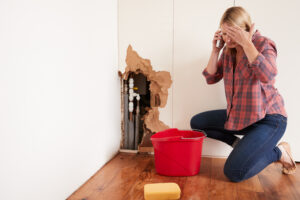
A burst pipe is one of the most urgent plumbing emergencies you can face. When a pipe ruptures, it can release gallons of water into your home in minutes—causing significant water damage to walls, flooring, ceilings, and furniture. Even leaking pipes or a small leak left unchecked can lead to mold, rot, and structural problems.
What to do:
Shut off the main water supply immediately to stop the flow. Then, call an emergency plumber immediately. While you wait for the plumber to arrive, try to contain the major leak using buckets, towels, or a temporary patch if possible.
Actual costs depend on your location, project scope, and materials. The best way to know what you'll pay is to get quotes from local contractors.
Get Your Free Estimate →2. Clogged or Overflowing Toilet
An overflowing toilet isn’t just gross—it can also cause water damage and health risks due to sewage exposure. If it’s a one-time clog and you have another bathroom, it might not be treated as an emergency. But if the blockage is severe, ongoing, or you only have one working toilet, it’s time to call a plumber.
What to do:
Try plunging first. If that doesn’t work, turn off the water valve behind the toilet to prevent more overflow. If the toilet continues to back up or you can’t clear the clogged drain, call a plumber right away.
"We matched with a great contractor the same day. The whole process was easy and completely free."
3. Sewage Backup
Sewage backups are among the worst common plumbing emergencies—and a serious health hazard. You may notice foul odors, dirty water backing up into sinks, tubs, or toilets, or water stains on floors near plumbing fixtures. If water backs up when using other fixtures, your sewer line may be blocked or damaged.
What to do:
Stop using all plumbing services and leave the affected area. Call for emergency plumbing services, as this requires a professional plumbing company. Avoid cleaning it yourself—raw sewage contains harmful bacteria.
4. Water Heater Malfunction
A broken water heater can range from inconvenient (cold showers) to dangerous (gas leak, flooding, or in rare cases, explosions). If you notice lack of hot water, leaks, strange noises, or signs of a gas leak, don’t ignore it.
What to do:
Turn off the unit and shut off the water or gas supply. Contain any water leak and call an emergency plumber. If you suspect gas, leave the home and call your gas provider or fire department before contacting a plumber.
Why Hire a Licensed Professional
- Licensed & insured — protects you from liability
- Warranty coverage — manufacturers require pro installation
- Code compliance — avoids permit issues
- Faster completion — pros finish in days, not weeks
5. Sudden Loss of Water Supply
If you suddenly have no running water, it’s likely considered a plumbing emergency. Causes can include broken water lines, frozen pipes, or municipal issues with the main water supply.
What to do:
Check with neighbors. If it’s just your home, confirm your water valve isn’t closed. If the problem isn’t obvious, call emergency plumbers for an inspection.
DIY vs. Professional: At a Glance
When It’s Not an Emergency
Some plumbing problems can strike without requiring an emergency plumbing service. Issues like:
-
Dripping faucets – waste water but rarely cause immediate damage to your home.
-
Slow drains – often caused by minor drain plumbing clogs.
-
Minor leaks under sinks – can be caught in a bucket until a plumber visits.
-
Running toilets – typically a plumbing issue with a flapper or valve.
-
Low water pressure – may be a simple plumbing system blockage.
These are common plumbing problems that you can schedule for regular hours, avoiding higher emergency plumber cost charges.
Spring and summer are the busiest seasons for home improvement projects — top-rated contractors book up fast. Lock in your estimate now before demand peaks.
Check Availability in Your Area →In Conclusion
Knowing what plumbing emergencies include—and which problems can wait—helps you avoid unnecessary stress and expenses. If a plumbing emergency could cause significant water damage, pose health risks, or make your home unlivable, it’s a plumbing emergency and time to call for help.
When unsure, call a professional for guidance. A quick emergency call can help you learn when to call for emergency plumbing repair and when to wait for normal hours.
Ready to Move Forward?
Tell us about your project and get matched with up to 3 pre-screened contractors. Compare quotes, check reviews, and hire with confidence.
FAQs
Are all leaks considered plumbing emergencies?
No. Some leaks are minor, but a major leak or one that causes significant water damage should be treated as an emergency.
How do I find the main water shut-off valve?
It’s usually near where the main water supply enters your home—often in a basement, garage, or outdoor meter box.
How much do emergency plumbers cost?
Emergency visits typically cost more than standard hours. Depending on the severity, the emergency plumber cost may range from $100 to $500+.
