


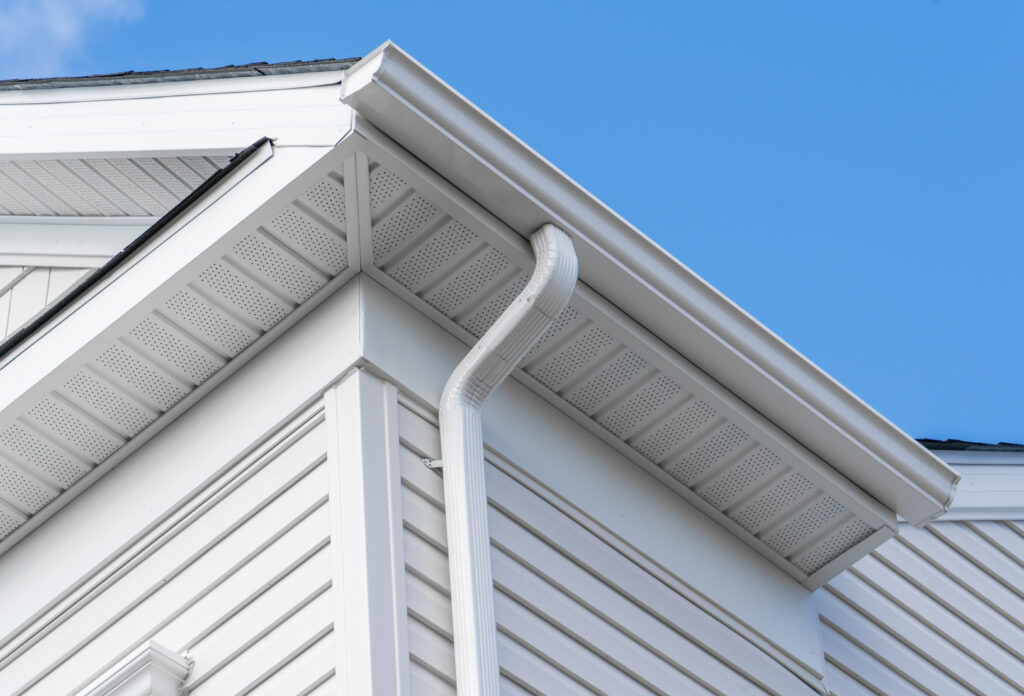
Choosing the right siding for your home might not be the first thing on your renovation checklist, but it’s definitely one of the most important. The siding you pick doesn’t just affect how your house looks—it also protects it from the elements and can even boost its value. If you’re wondering how to choose the best siding for your home, you’re in the right place. This guide will help you figure out what materials, styles, and features make the most sense for your budget, climate, and personal style.
1. Understand Your Budget
Before diving into all the siding options out there, it’s super important to get a clear picture of your budget. Siding costs can vary quite a bit depending on the material you choose. For example, vinyl siding is usually one of the most affordable options, while things like fiber cement or natural wood tend to come with a higher price tag. But keep in mind, the upfront cost isn’t the whole story.
Sometimes spending a little more upfront can actually save you money down the road. Materials like fiber cement or engineered wood might cost more initially but usually require less maintenance and last longer, meaning fewer repairs and repainting over time. On the flip side, cheaper siding might need more frequent upkeep, which can add up.
Don’t forget to check if there are any financing options, local rebates, or energy-efficiency tax credits available—sometimes those can help make higher-end materials more affordable. The key is to find a balance that fits your wallet now but also makes sense for your home in the long run.
2. Consider Your Climate and Weather Conditions
Where you live plays a huge role in choosing the right siding. Different climates can put very different kinds of stress on your home’s exterior, so it’s smart to pick materials that can stand up to your local weather.
If you live in a humid or rainy area, you’ll want siding that resists moisture and won’t easily rot or grow mold. Fiber cement and vinyl siding are great options here since they handle moisture well and won’t warp like wood can. On the other hand, if you’re in a colder climate with lots of snow and freezing temperatures, insulated siding or materials with built-in protection against cracking are worth considering. They help keep your home warmer and protect against damage from ice and frost.
For places with strong winds or storms, like coastal or tornado-prone areas, you’ll want siding that’s tough and impact-resistant—metal siding or reinforced fiber cement can do the trick. And if you live somewhere super sunny, keep in mind that some materials and colors fade faster than others, so UV-resistant siding is a smart choice.
Basically, think about the challenges your local weather throws at your home, and pick siding that’s ready to take it all on without needing constant repairs.
3. Explore Different Siding Materials
When it comes to siding, there’s no one-size-fits-all. Each material has its own vibe, benefits, and things to watch out for. Here’s a quick rundown to help you get familiar with some of the most popular choices:
Actual costs depend on your location, project scope, and materials. The best way to know what you'll pay is to get quotes from local contractors.
Get Your Free Estimate →Vinyl Siding:
This is probably the most common and budget-friendly option out there. It’s super low-maintenance—you basically just hose it down to keep it clean. Vinyl won’t rot, warp, or get eaten by bugs, which is awesome. On the downside, it can crack in really cold weather and sometimes fade if it’s in harsh sunlight for years. Plus, it might not have the high-end look some homeowners want.
Wood Siding:
Wood has that classic, warm, natural charm that’s hard to beat. It looks beautiful and can really add character to your home. But, it does require more upkeep—think regular painting or staining to keep it protected. It’s also more prone to damage from moisture, pests, and rot if you don’t stay on top of maintenance. If you love the look and don’t mind a bit of TLC, wood can be a great pick.
"We matched with a great contractor the same day. The whole process was easy and completely free."
Fiber Cement Siding:
This stuff is kind of the best of both worlds. It looks like wood but is way more durable and low-maintenance. Fiber cement is resistant to fire, pests, and rot, and it holds up well in all kinds of weather. It does cost a bit more and can be a little trickier to install, but if you want something that looks great and lasts a long time, it’s worth considering.
Metal Siding:
Metal siding, usually aluminum or steel, is super durable and great if you want a modern or industrial look. It’s fire-resistant, doesn’t attract pests, and handles extreme weather well. On the flip side, metal can dent or scratch, and sometimes it can be noisy when it rains or hails. Plus, it usually comes in fewer color and style options compared to other materials.
Engineered Wood and Composite Options:
These are newer players on the block that combine wood fibers with resins or other materials to create siding that looks like real wood but with added durability. They’re designed to resist moisture, insects, and fading better than natural wood. They often come pre-painted or pre-stained, which cuts down on maintenance. If you want the wood look but with less hassle, engineered or composite siding might be your best bet.
Choosing the right material is all about balancing look, budget, and how much work you want to put into upkeep. There’s a perfect fit for every home and every homeowner!
4. Think About Maintenance Requirements
When you’re picking siding, it’s super important to think about how much work you want to put into keeping it looking great. Some materials are pretty much “set it and forget it,” while others need a bit more love and attention over time.
Low-Maintenance Options:
Vinyl siding is a top pick if you want something easy. It doesn’t need painting, and cleaning is usually just a quick spray with the hose now and then. Fiber cement also falls into this category—it might need the occasional cleaning and repainting every 10-15 years, but it’s tough and stands up well to wear and tear. Engineered wood and composite siding are designed to resist moisture and pests, so they don’t need nearly as much upkeep as natural wood.
Why Hire a Licensed Professional
- Licensed & insured — protects you from liability
- Warranty coverage — manufacturers require pro installation
- Code compliance — avoids permit issues
- Faster completion — pros finish in days, not weeks
Higher-Maintenance Options:
Wood siding definitely looks amazing but comes with more work. You’ll need to paint or stain it regularly to protect it from weather and keep it looking fresh. Without this, it can get damaged by moisture or bugs pretty quickly. If you skip out on maintenance, repairs can get pricey and frequent. Metal siding doesn’t need painting, but dents and scratches can happen, and fixing those might require professional help.
Cleaning and Repairs:
No matter what siding you pick, you’ll want to clean it every so often—dust, dirt, and mildew can build up and dull the look of your home. Vinyl and fiber cement are pretty easy to clean with a hose and mild detergent. Wood might need a gentler touch to avoid damaging the finish.
When it comes to repairs, low-maintenance siding usually means fewer surprises. But with higher-maintenance materials like wood, it’s smart to check for damage regularly so you can fix small problems before they become big headaches.
Bottom line? If you want to spend less time on upkeep and more time enjoying your home, low-maintenance siding is the way to go. But if you love the look of natural materials and don’t mind a little elbow grease, wood and similar options can be really rewarding.
DIY vs. Professional: At a Glance
5. Evaluate Aesthetic Preferences
When it comes down to it, your siding says a lot about your home’s personality. So thinking about how you want your house to look is a big part of choosing the right siding.
First up, color options. Vinyl siding often comes in tons of colors, from classic whites and grays to bold blues and reds. Plus, the color is usually baked in, so it won’t fade easily. Fiber cement also offers a wide range of colors and can even be painted any shade you want if you want something really custom. Wood siding naturally brings warm, earthy tones to the table, and you can stain it to highlight the grain or paint it for a fresh look. Metal siding tends to have fewer color choices but works great if you’re going for a sleek, modern vibe.
Next, think about texture and finish. Some siding options mimic the look of natural materials—fiber cement and vinyl can both come with wood-grain textures, shakes, or smooth finishes. Wood gives you that authentic, rich texture that’s hard to beat if you want a classic feel. Metal siding is usually smooth and can have a matte or shiny finish depending on your style.
And don’t forget about how your siding choice will fit with your home’s architecture. A historic craftsman-style home might look amazing with wood or fiber cement that mimics traditional clapboards, while a modern or industrial-style home might call for clean-lined metal or smooth fiber cement panels. Matching your siding style to your home’s design helps keep everything looking cohesive and intentional.
At the end of the day, your siding is a big part of your home’s “first impression,” so pick colors, textures, and styles that make you excited every time you pull up to your driveway.
6. Look at Energy Efficiency
Energy efficiency is something a lot of homeowners don’t think about right away, but it’s actually a big deal when choosing siding. The right siding can help keep your home cozy in the winter and cool in the summer, which means your heating and cooling systems don’t have to work as hard—hello, lower energy bills!
One way to boost energy efficiency is with insulated siding. This type of siding has a layer of foam built right in, which acts like a barrier to prevent heat from escaping or sneaking in. It’s kind of like giving your house a little extra sweater in the winter and a cool shade in the summer. Insulated siding works especially well if your home’s walls don’t already have great insulation, or if you want to take your energy savings to the next level.
Even if you don’t go with insulated siding, the material and installation quality can affect how much heat your home holds onto or loses. For example, siding that’s tightly sealed and installed properly will reduce drafts and keep moisture out, both of which help with temperature control.
In the long run, investing in energy-efficient siding can pay off through lower utility bills and a more comfortable home all year round. Plus, some energy-efficient siding options might even qualify for tax credits or rebates, so it’s worth asking your contractor about those perks too!
Spring and summer are the busiest seasons for home improvement projects — top-rated contractors book up fast. Lock in your estimate now before demand peaks.
Check Availability in Your Area →7. Check Durability and Lifespan
When you’re picking siding, it’s smart to think about how long it’s going to last and how well it can stand up to whatever life (and the weather) throws at it. Some materials are built tough and can keep your home looking great for decades, while others might need to be replaced or repaired sooner.
For example, vinyl siding is pretty durable and can last 20-40 years, but it can crack or fade over time—especially in really harsh weather. Fiber cement siding is known for its long lifespan (think 30-50 years) and it’s super resistant to things like rot, pests, and fire, making it a favorite for people who want something low-maintenance and tough. Wood siding looks beautiful and can last a long time if cared for, but it’s more vulnerable to pests like termites, rot, and weather damage, so it usually needs more upkeep to keep it in shape.
If you live in an area prone to wildfires or extreme weather, fire-resistant siding like fiber cement or metal can give you extra peace of mind. Metal siding is also great for impact resistance—think hail or flying debris during storms.
Durability isn’t just about surviving the elements—it’s also about protecting your home and your investment. The longer your siding lasts without major repairs, the more value and protection you get. So, choosing a material that matches your environment and lifestyle can save you money and headaches in the long run.
8. Consider Environmental Impact
More and more homeowners are thinking about how their choices affect the planet, and siding is no exception. If being eco-friendly is important to you, there are some great sustainable siding options to consider that won’t just look good on your home—they’ll feel good for the environment, too.
Materials like fiber cement and engineered wood are often made with recycled content and designed to last a long time, which means less waste over the years. Vinyl siding, while popular and low-maintenance, is made from plastic and isn’t the best when it comes to environmental impact, but some newer brands are starting to explore recycling programs for old vinyl pieces.
Another thing to look for is how the siding is made—the manufacturing footprint. Some companies use greener processes, like less water and energy during production or eco-friendly paints and finishes, which can make a difference over time.
And don’t forget about recyclability. When it’s time to replace your siding down the road, materials that can be recycled or repurposed help keep waste out of landfills. Wood and metal siding usually have good recycling options, while vinyl and fiber cement can be trickier but not impossible.
Choosing eco-friendly siding is a way to give your home a facelift while also doing your part to protect the planet. It’s a win-win that helps you feel good about your home and your impact on the environment.
Ready to Move Forward?
Tell us about your project and get matched with up to 3 pre-screened contractors. Compare quotes, check reviews, and hire with confidence.
9. Consult Local Building Codes and HOA Rules
Before you get too far into picking siding, it’s a good idea to check out the rules in your area. Local building codes and homeowners association (HOA) guidelines can sometimes have specific restrictions on what kind of siding you can use, the colors you’re allowed to pick, or even the overall style.
For example, some neighborhoods with historic homes might require you to stick with certain materials or colors that fit the look of the community. HOAs often have design rules to keep everything looking cohesive, so it’s worth double-checking so you don’t end up with siding that gets rejected later.
You’ll also want to find out about permitting requirements. Many places require a permit for siding replacement or installation, which means there are certain standards your contractor has to meet. Getting the right permits helps make sure the job is done safely and up to code, plus it protects you down the road if you decide to sell your home.
Checking these rules early on saves you from headaches and surprises later, and your siding contractor can usually help you navigate the local requirements too.
10. Get Professional Advice and Quotes
Once you’ve done your homework on materials, colors, and everything else, it’s time to bring in the pros. Working with experienced siding contractors is a game-changer—they know the ins and outs of installation, local building codes, and can help you pick the best siding for your home and budget.
Don’t just settle for the first quote you get. It’s smart to reach out to a few contractors and compare their bids. Look closely at what’s included—some might charge less upfront but use lower-quality materials or skimp on prep work, which can cost you more in the long run. Ask about the timeline, cleanup, and whether they handle permits for you.
Warranties are another important piece of the puzzle. A solid warranty shows that the company stands behind their work and the materials they use. Some manufacturers offer great coverage on the siding itself, while contractors might offer warranties on installation. Knowing what’s covered—and for how long—can save you a lot of stress down the road.
Getting multiple quotes and chatting with pros helps you feel confident that you’re making the right choice. Plus, it gives you a chance to ask questions and get tips that you might not have thought about yet. So, take your time and lean on the experts—they’re there to help make your siding upgrade smooth and successful.
Conclusion
Choosing the right siding for your home is a big decision, but keeping a few key factors in mind can make the process a lot easier. Think about your budget, the climate you live in, the materials that fit your style and maintenance preferences, and don’t forget to check local rules and get professional advice. All these pieces come together to help you pick siding that not only looks great but also protects your home and lasts for years to come.
Taking your time to make a thoughtful choice means you’re investing in something that adds value, comfort, and curb appeal—basically, a win for both you and your home.
Ready to find the perfect siding for your home? Contact a local siding expert for a free consultation today and get started on transforming your house into the home of your dreams.
